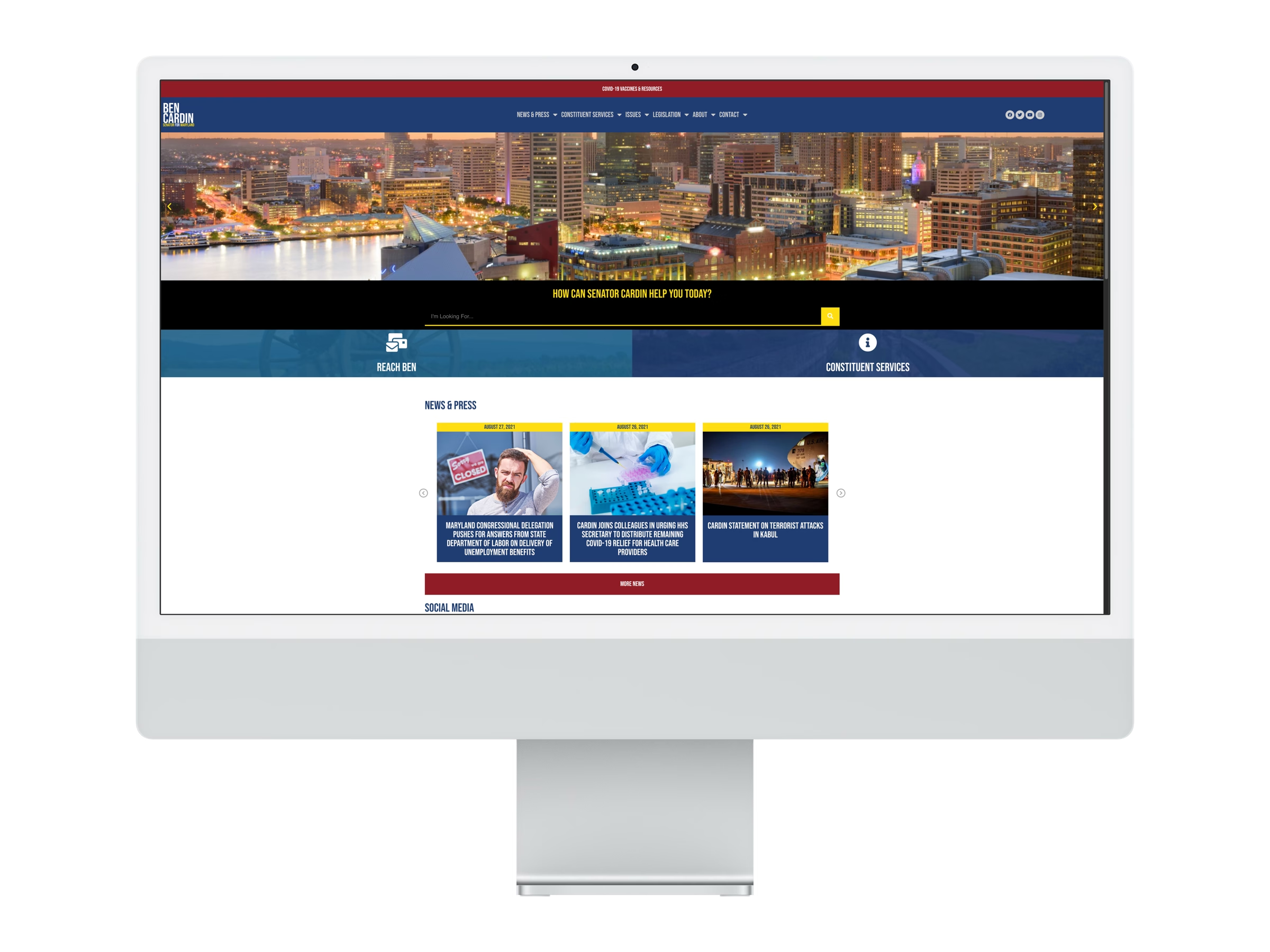

US Senate
Client US Senate
Services Government Web Development, WCAG AAA Compliance, Section 508 Accessibility, Constituent Services Portals, CMS Implementation, RFP Response & Delivery
The Problem with Government Web
There’s a running joke in our industry that government websites exist in a design time capsule. And honestly, a lot of them do. But it’s not because government agencies don’t care about design. It’s because the procurement process rewards compliance checklists over craft, and most vendors treat accessibility as a box to check rather than a design principle.
We’ve spent time building working prototypes and RFP responses that prove the two aren’t mutually exclusive. Our Senate office demo is one example of what’s possible when you take the requirements seriously and still give a damn about the end result.
Meeting RFP Requirements Head-On
Government RFPs are thorough. They spec out everything from hosting environments to color contrast ratios, and they should. Public-facing sites need to work for everyone, full stop. We approach these requirements as design constraints, not obstacles. Some of the best design work happens when you have real boundaries to work within.
Our deliverables address the typical RFP stack: CMS implementation (usually WordPress given government familiarity), hosting and security requirements, content migration plans, training documentation for staff, and ongoing maintenance agreements. Nothing gets hand-waved.
Accessibility as Architecture
We don’t bolt accessibility on at the end. It’s baked into the information architecture from the first wireframe. That means proper heading hierarchy, logical tab order, meaningful link text, ARIA labels where they’re actually needed (and not where they’re not), sufficient color contrast at AAA level, and form handling that works with every major screen reader.
The constituent services sections are where this matters most. When someone is trying to request casework help or schedule an office visit, the last thing they need is a form that their assistive technology can’t parse. We test with real screen readers, not just automated checkers.
Design Within Constraints
Government design systems exist for good reasons. They establish trust, maintain consistency across agencies, and ensure that official sites are immediately recognizable as such. But working within those systems doesn’t mean every page has to look identical or feel sterile.
Typography choices, whitespace, content hierarchy, and subtle interaction design all have room to breathe within government guidelines. Our Senate demo uses a restrained palette and standard navigation patterns, but the layout and content presentation feel considered rather than template-stamped.
Constituent Services Done Right
The core purpose of most government sites is connecting people with services. We structure these sections around what constituents actually need rather than mirroring the internal org chart. Office locations with real maps and hours. Casework request forms that explain what information is needed and why. Tour and visit scheduling that’s straightforward. Issue pages organized by what people search for, not by committee structure.
Multi-office support is handled cleanly, with each location getting proper contact details, directions, and service availability without the user needing to dig.
Content Management for Government Staff
Government comms teams need to publish quickly and often. Press releases, policy updates, event announcements. We implement WordPress with structured content types and clear editing workflows so staff can publish without calling us or worrying about breaking the layout. Role-based permissions keep things secure without making the CMS frustrating for everyday users.
What We Bring to the Table
We’re not a government-only shop, and that’s actually an advantage. We bring commercial design sensibility to a space that’s been underserved by agencies that specialize exclusively in compliance. The result is sites that meet every requirement while looking like someone actually designed them on purpose.
If your agency or office is going through procurement and wants to see what’s possible, we’re happy to walk through our demo work and discuss how we’d approach your specific requirements.
The work up close
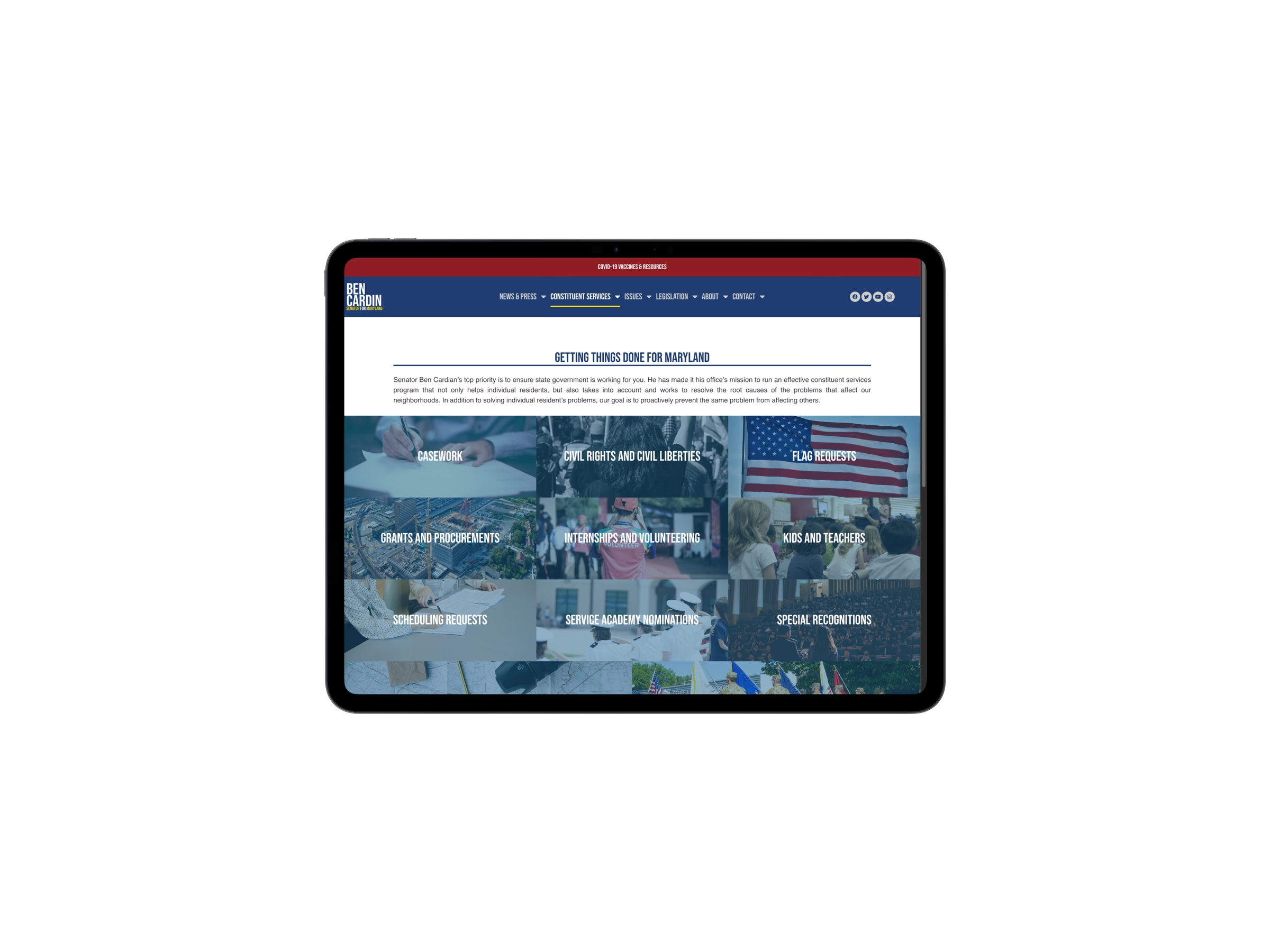
Services organized around what constituents actually need
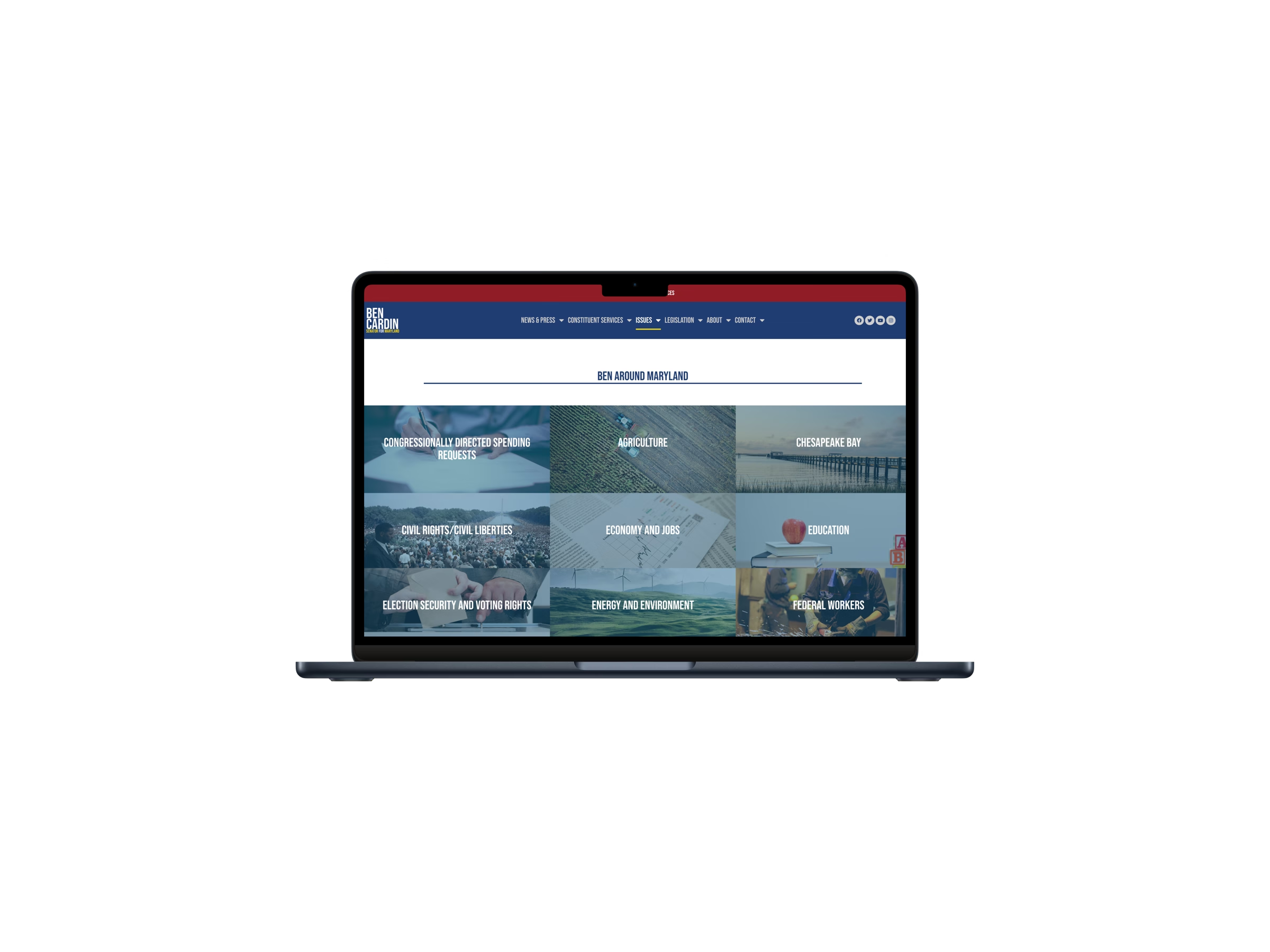
20+ policy areas structured for easy navigation
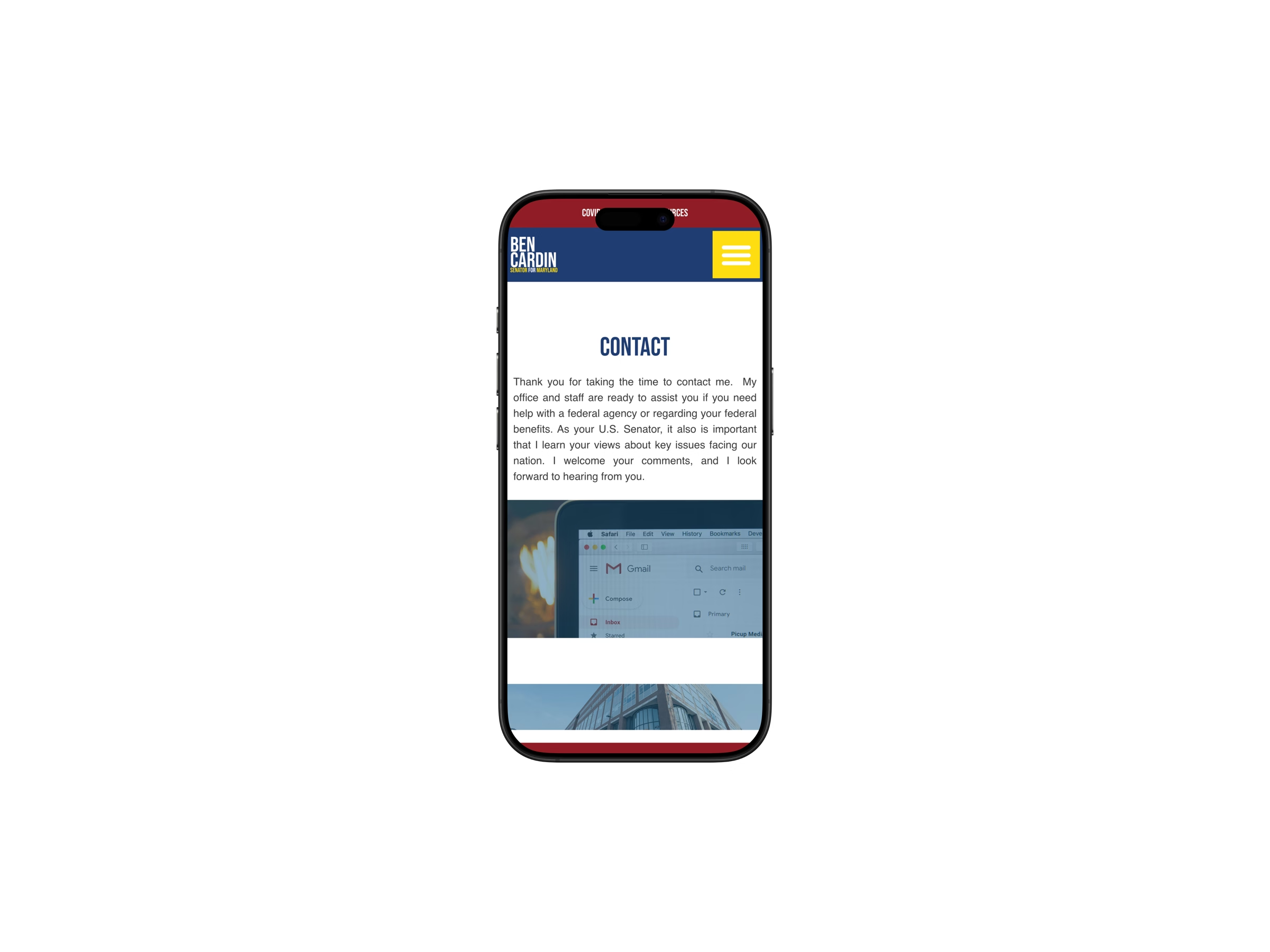
Multi-office support with clear contact details
Results
0%WCAG AAA Compliance
§0Section 508 Compliant
0Lighthouse Accessibility Score
0%Keyboard Navigable